
Nebraska's stringent anti-spam laws protect residents from unsolicited promotional text messages (spam texts). Businesses must obtain explicit consent before sending such messages, facing fines up to $15,000 for non-compliance. Residents can register on the National Do Not Call Registry and block unwanted calls. Spam texts Lawyer Nebraska specialize in TCPA litigation, ensuring consumers' privacy rights are protected through legal actions like damages or class action lawsuits. Reporting spam incidents aids in refining anti-spam strategies.
In the digital age, Nebraska residents, like many across the nation, face an ever-growing onslaught of spam texts and robocalls. These unsolicited communications not only disrupt daily life but also pose significant privacy concerns. As a result, there's a pressing need for clear guidelines to protect consumers from these intrusions. This article delves into Nebraska's spam text and robocall rules, offering insights tailored by experienced legal professionals. We provide a comprehensive overview to help Nebraskans understand their rights and navigate this complex landscape, empowering them to take control of their communication channels.
Understanding Nebraska's Anti-Spam Laws

Nebraska has stringent laws to combat spam texts and robocalls, offering residents significant protection. The Nebraska Revised Statutes, specifically Section 84-1409, outlines a comprehensive anti-spam framework. This legislation prohibits unsolicited text messages promoting goods or services, often referred to as spam texts, unless the sender has obtained prior express consent from the recipient. A lawyer specializing in Nebraska's laws on spam texts can provide invaluable guidance, ensuring compliance and protecting individuals' privacy rights.
The rules extend beyond simple consent; they mandate that businesses establish robust do-not-call lists and honor consumer choices to opt out. Failure to comply can result in substantial fines, currently set at $500 per violation, with potential penalties of up to $15,000 for repeated or willful infractions. Nebraska's Attorney General's Office actively enforces these regulations, sending strong signals to businesses engaging in spamming practices. For instance, in 2022, a settlement saw a national telemarketing company pay $400,000 for numerous violations, underscoring the severity of consequences.
Practical advice for both businesses and consumers is paramount. Businesses should adopt clear opt-in mechanisms, ensuring explicit consent from customers before sending promotional texts. Regularly reviewing and updating privacy policies to align with these rules is essential. Consumers can take proactive steps by registering on the National Do Not Call Registry and reviewing their phone settings for blocking options. By understanding and adhering to Nebraska's anti-spam laws, both entities can foster a fairer and less disruptive communications environment.
What Constitutes Spam Texts in Nebraska?
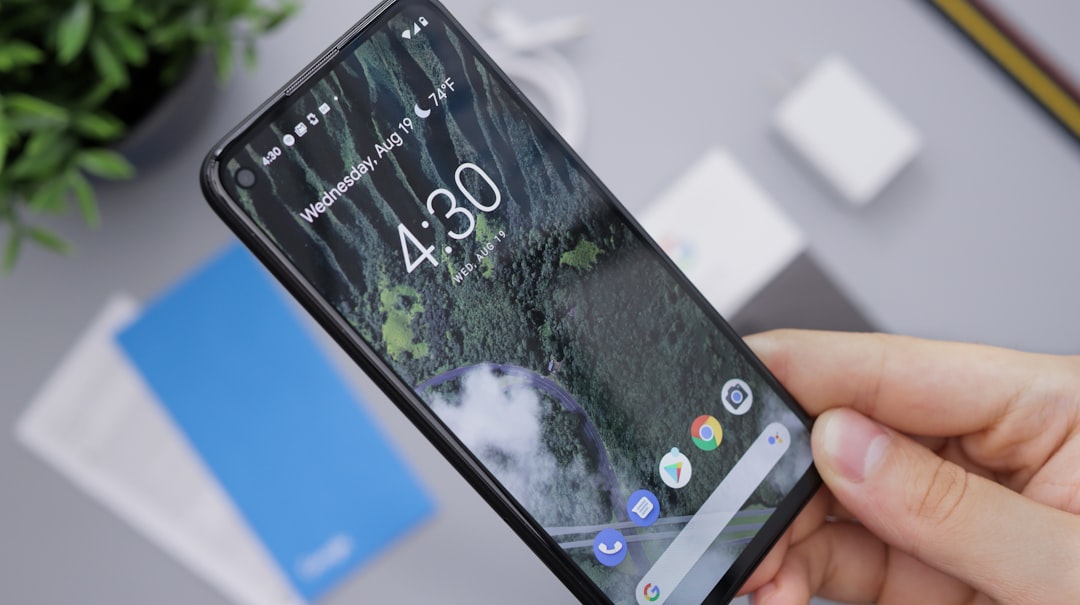
In Nebraska, spam texts are defined by their excessive and unsolicited nature, often aimed at promoting products or services without prior consent from recipients. The state's laws specifically prohibit businesses and individuals from sending text messages that meet these criteria. According to Nebraska law, a spam text is typically characterized by several key elements: repetitive and unwanted messaging, lack of an opt-out mechanism, and content primarily focused on advertising or marketing purposes. For instance, receiving multiple promotional texts from unknown numbers daily, with no way to immediately stop them, qualifies as spam. Data from consumer protection agencies shows that such unsolicited communications are a prevalent concern, with many Nebraskans reporting frustration over the frequency and intrusiveness of these messages.
A crucial aspect often debated by Nebraska spam lawyers is the definition of "prior consent." Businesses must have explicit permission to send marketing texts, which can only be obtained through clear opt-in processes. Using generic numbers or sending messages to people who haven't explicitly signed up for their promotional content can lead to legal repercussions. For example, if a business collects phone numbers from customers who visited its physical store but didn't indicate interest in receiving text promotions, these messages would likely be considered spam.
To avoid being labeled as a spammer and facing potential legal action, businesses should ensure they have robust systems in place to track consent. This includes maintaining accurate records of customer preferences and providing clear opt-out options in every communication. Nebraska's strict regulations on spam texts not only protect consumers from intrusive messaging but also promote fair business practices, ensuring that companies respect individual privacy rights.
Rights of Residents: Protecting Against Robocalls

In Nebraska, residents have a significant right to protection against spam texts and robocalls. These unwanted communications can be intrusive and disruptive, leading to concerns about privacy and security. A spam text or robocall is defined as any automated, pre-recorded, or artificial voice message sent without prior consent. According to the Federal Communications Commission (FCC), nearly half of all Americans receive at least one unwanted robocall per month, highlighting the widespread impact of this issue.
Nebraska law, guided by federal regulations, offers robust protections for residents. A lawyer specializing in spam texts in Nebraska can help navigate these complex laws and ensure compliance. Key provisions include the requirement for clear and conspicuous opt-out mechanisms on all robocalls and text messages. Consumers have the right to request cessation of these calls, and businesses must honor these requests within a reasonable timeframe. For instance, if a resident opts out, companies are prohibited from selling or sharing their phone number for marketing purposes, further safeguarding against future unwanted contact.
Practical advice for residents includes maintaining a current list of known spam numbers to block, using call-blocking apps, and reporting excessive robocalls to the FCC or Nebraska's Attorney General's Office. In addition, staying informed about legal developments related to spam texts is crucial, as updates in regulations can affect consumer rights and responsibilities. By understanding their protections, Nebraskans can take proactive steps to minimize the impact of spam texts and robocalls, enhancing their overall communication experience.
Legal Recourse for Spam Text Abuses in NE

In Nebraska, the legal landscape regarding spam texts and robocalls is designed to protect consumers from intrusive and unwanted communications. If you've been a victim of persistent or deceptive spam text messages in the state, you have recourse. The Nebraska Revised Statutes and federal laws like the Telephone Consumer Protection Act (TCPA) equip individuals with significant legal protections against unsolicited text messages.
Spam texts Lawyer Nebraska can play a pivotal role in helping affected parties navigate these complexities. These legal professionals specialize in TCPA litigation and understand the nuances of state-specific regulations. For instance, Nebraska law prohibits businesses from sending mass text messages unless the recipient has provided express consent. A spam text lawyer will scrutinize the facts of your case, determine if the sender violated any laws, and guide you through potential legal actions, which could include seeking damages for each violation, enjoining future violations, or even class action lawsuits when appropriate.
Practical advice for consumers facing spam texts is to document all interactions. Save the messages, note the sender's information, and keep a log of dates and times. This evidence can be invaluable in legal proceedings. Consulting with a spam texts lawyer early on can significantly enhance your chances of securing justice and compensation. They can advise you on the best course of action, whether it involves sending cease-and-desist letters, filing official complaints, or pursuing litigation to hold spammers accountable for their misconduct.
Enforcing and Reporting Spam Activities
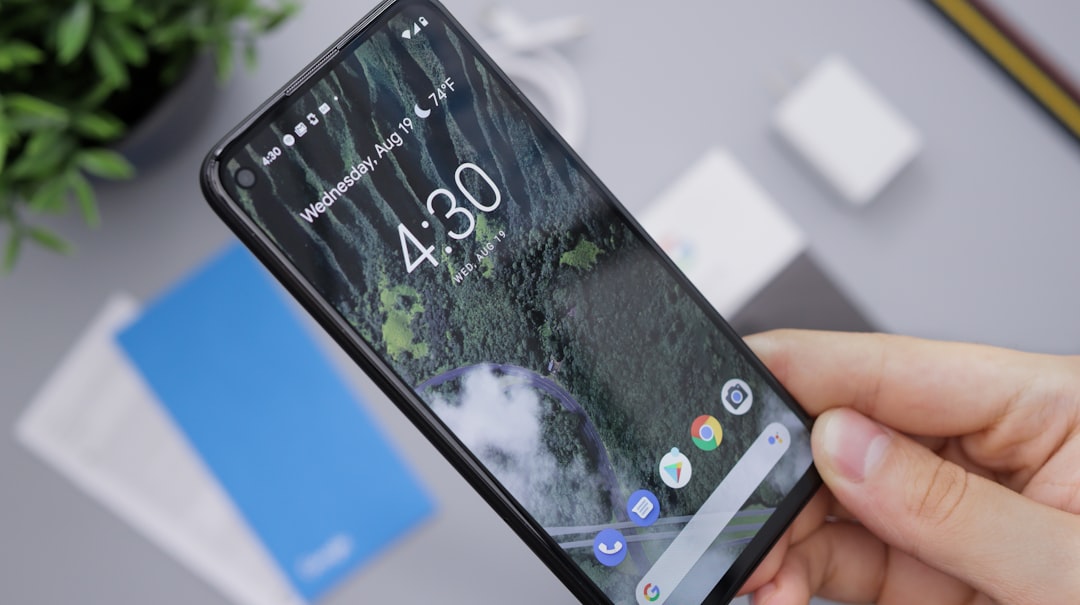
In Nebraska, enforcing and reporting spam activities is a multifaceted process that involves both technological measures and legal frameworks. The state has recognized the growing concern of unsolicited text messages and robocalls, leading to the implementation of specific regulations designed to protect consumers. A key component in this enforcement is the ability to identify and document spam texts, which often come from automated systems without prior consent.
Consumers can play an active role by reporting spam activities to Nebraska's designated authorities, such as the Attorney General's Office or regulatory bodies like the Federal Communications Commission (FCC). Reporting mechanisms include digital platforms where individuals can submit details of suspected spam texts, including phone numbers and message content. These reports are invaluable for building cases against persistent spammer operations. For instance, a lawyer in Nebraska specializing in telecommunications law might use such data to construct legal arguments against businesses or individuals violating anti-spam laws.
Moreover, advanced technologies like automated call blocking and filtering systems can significantly reduce the volume of spam calls and texts received by residents. These tools, often integrated into smartphones and home networks, act as defensive measures against unwanted communication. While effective, their success hinges on ongoing updates to counter evolving spammer tactics. Regularly reviewing and reporting spam incidents not only aids in maintaining a robust defense but also contributes to the broader effort of refining anti-spam laws and strategies.