
In Nebraska, spam texts are regulated by state law protecting citizens' privacy. Businesses must obtain prior consent for marketing texts, and individuals can seek damages of up to $500 per violation. To combat spam, Nebraskans can block senders, report texts, and consult attorneys specializing in telecommunications law. Spam texts from lawyers are a growing concern; residents should identify bot messages, report them, and stay vigilant. The Attorney Licensing Board disciplines lawyers who violate anti-spam guidelines, emphasizing client consent and privacy protection. Nebraska attorneys should implement opt-out mechanisms and obtain explicit client consent for text communications to maintain professional integrity.
In today's digital age, the ubiquitous presence of spam texts has become a significant nuisance for many Nebraskans. These unsolicited messages, often containing marketing promotions or fraudulent schemes, can inundate personal devices at any hour. While blocking numbers is a common solution, it's not always effective against determined senders. This article delves into the complex issue, exploring how Nebraska attorneys are leveraging their expertise to provide relief from this modern-day irritant. By understanding legal avenues and technological countermeasures, we aim to equip folks with tools to combat spam texts effectively.
Understanding Spam Texts: Legal Protections in Nebraska

In the digital age, spam texts have become a pervasive nuisance for residents of Nebraska, as they are across the nation. These unsolicited messages, often promoting products or services, can be especially problematic when they invade personal space and disrupt daily life. Understanding the legal protections in place is crucial for Nebraskans facing an onslaught of spam texts.
Nebraska law provides several avenues to combat this issue. The Nebraska Revised Statutes specifically address telemarketing practices, offering individuals substantial rights and remedies against unwanted text messages. For instance, according to § 48-1403, businesses engaging in telemarketing must obtain prior express consent from recipients before sending any promotional texts. This means that if a Nebraska resident has not explicitly agreed to receive marketing messages, such texts are considered illegal spam. Furthermore, the statute allows individuals to seek damages of up to $500 for each violation, making it a significant deterrent for spammers.
Practical advice for Nebraskans facing spam texts involves taking proactive measures and utilizing available legal tools. First, consider blocking the sender's number using your phone's settings. Many modern smartphones offer built-in anti-spam features that can filter out suspicious or unwanted messages. Additionally, reporting these texts to your service provider is a crucial step; carriers often have mechanisms in place to flag and block recurring spam. Lastly, consulting with a Nebraska attorney specializing in telecommunications law can provide tailored guidance and ensure the protection of one's rights under state legislation. By combining technological tools with legal expertise, Nebraskans can effectively navigate this modern-day challenge.
Your Rights: Navigating Spam Message Laws in NE

In Nebraska, as in many states across the nation, spam messages, particularly spam texts, are a persistent and increasingly regulated nuisance. The Nebraska Revised Statutes govern various forms of electronic communication, including unsolicited text messages, providing individuals with specific rights to protect themselves from excessive or unauthorized messaging. When dealing with spam texts, understanding these laws is crucial for both consumers and businesses alike.
Nebraska law outlines that citizens have the right to privacy regarding their cell phone numbers, making it illegal for any entity to send unwanted text messages without prior explicit consent. This includes marketing or advertising messages from businesses. For instance, a Nebraska attorney specializing in this area could assist clients in drafting and enforcing agreements with service providers or companies that violate these regulations. The state's Unfair or Deceptive Practices Act offers further protection, empowering individuals to take legal action against entities engaging in spamming activities. In 2022, the Federal Trade Commission (FTC) reported a significant increase in consumer complaints related to unwanted text messages, highlighting the nationwide impact of this issue and the need for stringent enforcement.
Practical advice for consumers facing spam texts is to review privacy settings on your phone and social media accounts, block senders, and report excessive or unauthorized messages to both your service provider and local law enforcement. If you are a business owner, consulting with Nebraska attorney specialists in communications law can help ensure compliance with state regulations and best practices. These experts can guide companies in drafting effective consent forms, implementing anti-spam policies, and managing customer communication in a legal and ethical manner, thus fostering trust among their client base.
How to Stop & Report Spam Calls/Texts from Attorneys
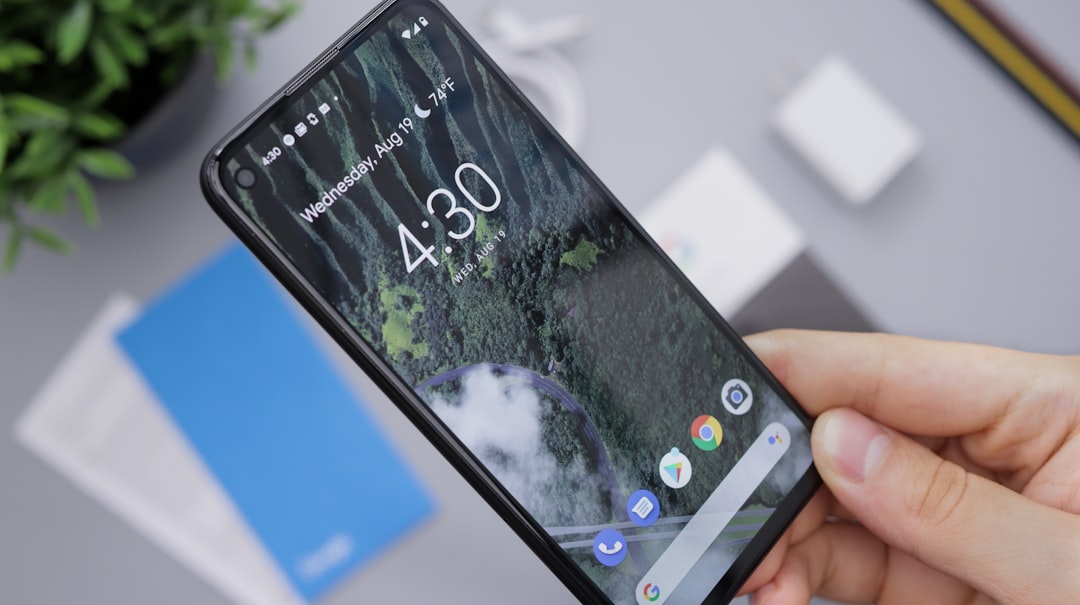
Spam texts from lawyers in Nebraska can be a nuisance and, in some cases, a legitimate concern for residents. With the proliferation of automated communication tools, these unsolicited messages have become increasingly common, especially as legal services seek to expand their reach. Understanding how to stop and report these spam calls or texts is crucial for maintaining control over your communications and ensuring you receive legitimate legal advice from reputable sources only.
The first step in combating spam texts lawyers Nebraska is to recognize and identify the source. While some may be genuine attempts to connect with potential clients, many are automated bots designed to blanket numbers with promotional content. Look out for generic messages that lack personalization or fail to provide specific details about legal services. For instance, a text stating "We can help with your legal issues" without further context or a reference to a particular area of law is likely spam. The best approach is to ignore and block such messages immediately. Most mobile operating systems offer built-in tools for blocking numbers, ensuring these unwanted texts are sent straight to a digital garbage bin.
Reporting these incidents is equally important as it aids regulatory bodies in tracking and curbing abusive practices. Many states have established mechanisms to report spam calls or texts, including legal solicitations. In Nebraska, the Better Business Bureau (BBB) accepts complaints regarding unsolicited communications from businesses, including law firms. By filing a complaint, you contribute to a collective effort to hold spammers accountable and potentially prevent other residents from being targeted. Additionally, some telecommunications carriers provide dedicated channels for reporting spam texts, ensuring a swift response to curb the issue at its source.
The Role of Nebraska Attorney Licensing in Spam Mitigation

Nebraska's Attorney Licensing Board plays a pivotal role in mitigating spam messages, particularly spam texts, through its strict regulations and oversight. Licensed attorneys are bound by ethical guidelines that discourage the distribution of unsolicited communications, including mass text messages. The board's authority to discipline lawyers who violate these rules acts as a powerful deterrent against spamming practices. For instance, a recent case involving an attorney sending bulk text messages promoting their legal services resulted in a public reprimand and fine, setting a clear precedent.
Moreover, Nebraska's licensing body promotes awareness among the legal community about the potential harm caused by spam texts. Regular educational initiatives emphasize the importance of client consent and privacy protection. These efforts ensure that lawyers understand the ethical implications of sending unsolicited messages, fostering a culture of responsible communication. Data from consumer protection agencies highlights the success of such measures; states with stricter attorney regulations have seen notable reductions in spam-related complaints.
Practical advice for Nebraska attorneys includes implementing robust opt-out mechanisms in marketing campaigns and obtaining explicit consent before sending text messages to potential clients. By adhering to these principles, lawyers can maintain their professional integrity while effectively reaching their target audiences. This balanced approach ensures that the legal community's communication practices contribute to a spam-free environment, benefiting both consumers and practitioners.