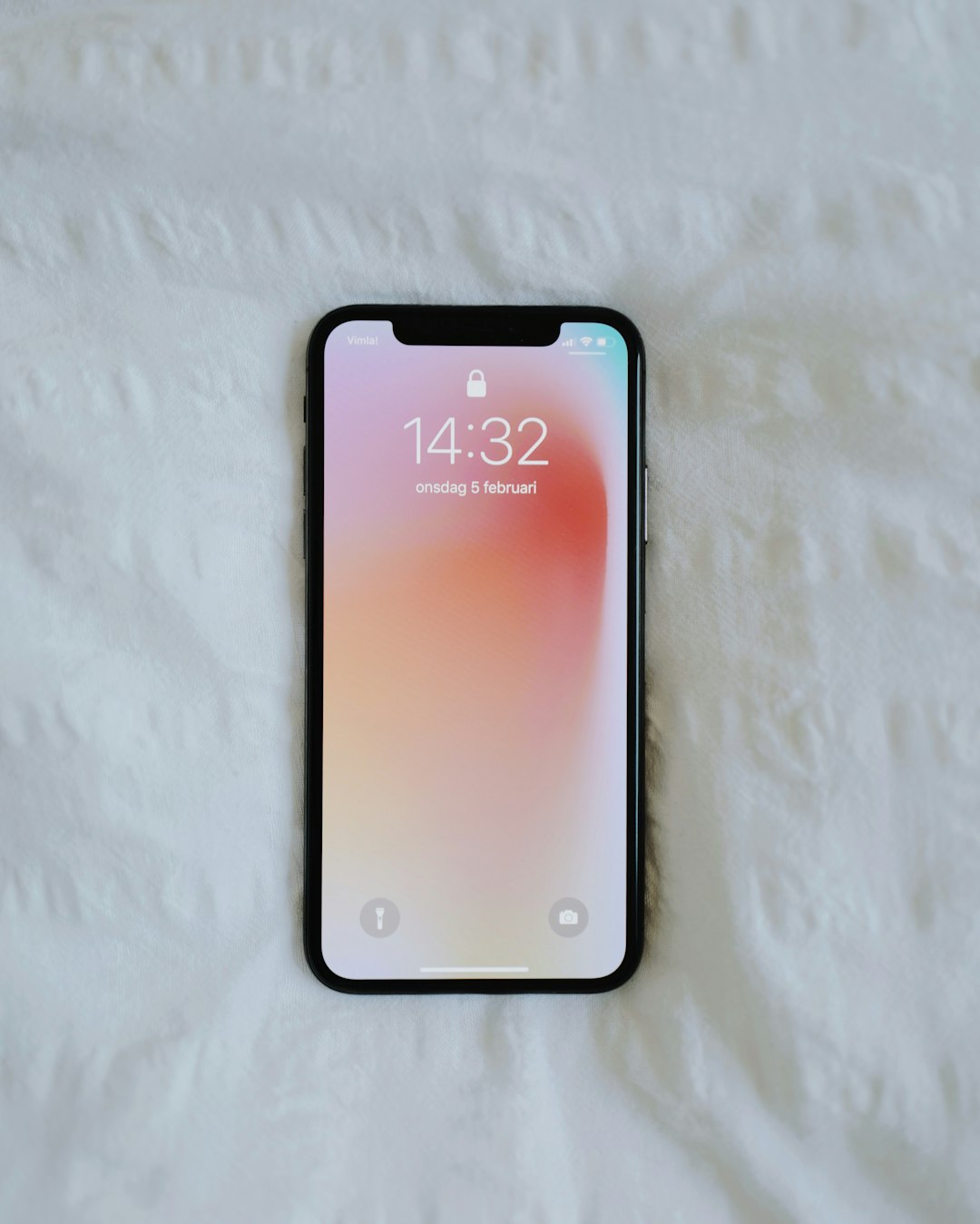
Nebraska's strict Spam Call law firms safeguard residents from unwanted promotional texts and calls. Businesses must obtain explicit consent and provide opt-out options to avoid significant fines. These regulations combat deceptive practices, ensuring compliance fosters ethical marketing and client satisfaction in the state's digital landscape.
Understanding Nebraska's Anti-Spam Texting Laws

Nebraska has established clear guidelines to combat unwanted spam calls and texts, offering some relief for residents tired of unsolicited messages. The state’s anti-spam texting laws are designed to protect consumers from deceptive or harassing communication practices. These regulations target businesses and individuals who send mass text messages for marketing purposes without proper consent.
Under Nebraska law, a “spam call” or “unwanted text” is defined as any message sent using an automatic dialing system or prerecorded content, except when the sender has obtained prior express written consent from the recipient. This means that businesses must obtain explicit permission before bombarding Nebraskans with promotional texts. Any violation of these laws can result in significant fines, making it crucial for companies to understand and comply with the state’s spam call law firm Nebraska requirements to avoid legal repercussions.
Rights of Recipients: What You Need to Know

Legal Action: Options for Violations

If you’ve received unwanted spam text messages, you’re not alone. In Nebraska, sending unsolicited texts is regulated by strict spam call laws designed to protect consumers. If your rights have been violated, it’s important to know that legal action is an option. A reputable spam call law firm in Nebraska can help you understand your rights and pursue compensation for any distress or financial loss incurred due to the violation.
These firms specialize in representing individuals affected by spam calls and text messages, navigating the complexities of the law on your behalf. They can file complaints with relevant authorities, negotiate with violators, or even take the case to court if necessary. Their goal is to ensure that you receive justice and that spammers are held accountable for their actions under Nebraska’s strict spam call laws.
Business Guidelines: Avoiding Unwanted Text Messages
In Nebraska, strict regulations are in place to combat spam texting and protect consumers from unsolicited messages. When it comes to business communications via text, understanding these guidelines is crucial. Businesses must ensure that all text message campaigns adhere to the state’s anti-spam call laws to avoid legal repercussions. This includes obtaining explicit consent from recipients before sending any marketing or promotional texts.
To steer clear of unwanted text messages, companies should implement robust opt-out mechanisms in their messaging strategies. Customers should have the right to choose whether they wish to receive text communications from a particular business. By respecting these preferences and promptly removing individuals from message lists upon request, businesses can maintain compliance with Nebraska’s spam call laws and foster healthier customer relationships.
The Impact on Spam Call Law Firms in Nebraska

With the enforcement of stricter spam texting laws in Nebraska, call law firms operating within the state are facing significant changes to their marketing strategies. These new regulations aim to protect consumers from unsolicited text messages, which has led to a shift in how legal professionals reach out to potential clients. Traditionally, many law firms relied on bulk text messaging as an effective and cost-efficient method to promote their services. However, now they must navigate the complexities of obtaining explicit consent from recipients before sending any marketing materials via text.
The impact on these Spam Call law firms is twofold. Firstly, they need to invest time and resources into updating their client acquisition processes to ensure compliance. This involves implementing robust systems for obtaining consent, managing contact lists, and providing opt-out options. Secondly, the effectiveness of their marketing campaigns may be affected as the number of potential clients reaching them through text messages is reduced. As a result, law firms are exploring alternative channels, such as email and social media, to continue engaging with their target audience in Nebraska while adhering to the new legal framework.