
Nebraska's consumer protection laws rigorously regulate spam texts, aligning with federal standards set by the TCPA. Businesses must obtain explicit consent before sending automated promotional messages. Consumers are advised to document and report spam, consult a spam texts Attorney Nebraska for legal action, and utilize prevention measures like the National Do Not Call Registry. The NCPA offers specific safeguards based on consumer status and consent, emphasizing the right to refuse electronic messaging. Consulting an attorney provides strategic protection against unsolicited communication, involving FTC complaints, civil lawsuits, and personalized legal guidance.
In today’s digital age, consumers are increasingly burdened by unwanted spam texts, leading to a significant concern for personal privacy and peace of mind. Nebraska residents face unique challenges when navigating the complex landscape of consumer rights regarding these intrusive messages. This article delves into the legal framework protecting Nebraskans from spam texts, highlighting their rights and available remedies. By exploring the current laws and regulations, we aim to empower consumers with knowledge, enabling them to take proactive measures against unwanted communication. A spam texts attorney in Nebraska can serve as a valuable resource for those seeking guidance on asserting their rights effectively.
Understanding Spam Texts in Nebraska: Legal Definitions

In Nebraska, understanding spam texts goes beyond mere annoyance; it’s a critical aspect of consumer protection. Spam texts, or unsolicited text messages promoting goods or services, are regulated under the Telephone Consumer Protection Act (TCPA) at both the federal and state levels. Nebraska law aligns closely with federal guidelines, ensuring consumers have robust protections against unwanted messaging. The key lies in defining what constitutes spam: automated or pre-recorded messages sent to a phone number without prior express consent. This definition is crucial for both consumers and businesses operating within Nebraska.
A spam text Attorney Nebraska can provide valuable insights into navigating this legal landscape. For instance, a common pitfall for businesses is obtaining explicit consent before sending promotional texts. Simple actions like a pre-checked opt-in box or default settings often fall short in meeting legal standards. Data from consumer advocacy groups reveals a significant number of complaints regarding spam texts, emphasizing the need for strict adherence to regulations. Businesses must actively obtain consent through clear and conspicuous mechanisms, such as requiring users to opt-in during sign-up processes.
Practical advice for consumers includes monitoring their phone numbers for unauthorized messages and documenting any instances of spam. If received, these texts can be reported to Nebraska’s Attorney General’s office, which actively enforces TCPA violations. Understanding one’s rights is empowering; knowing when to take action against persistent spammer activities can lead to legal remedies, including damages and injunctions. Staying informed about evolving laws and seeking guidance from legal experts like a spam texts Attorney Nebraska ensures consumers remain protected in this digital age.
Your Rights When Facing Unwanted Text Messages
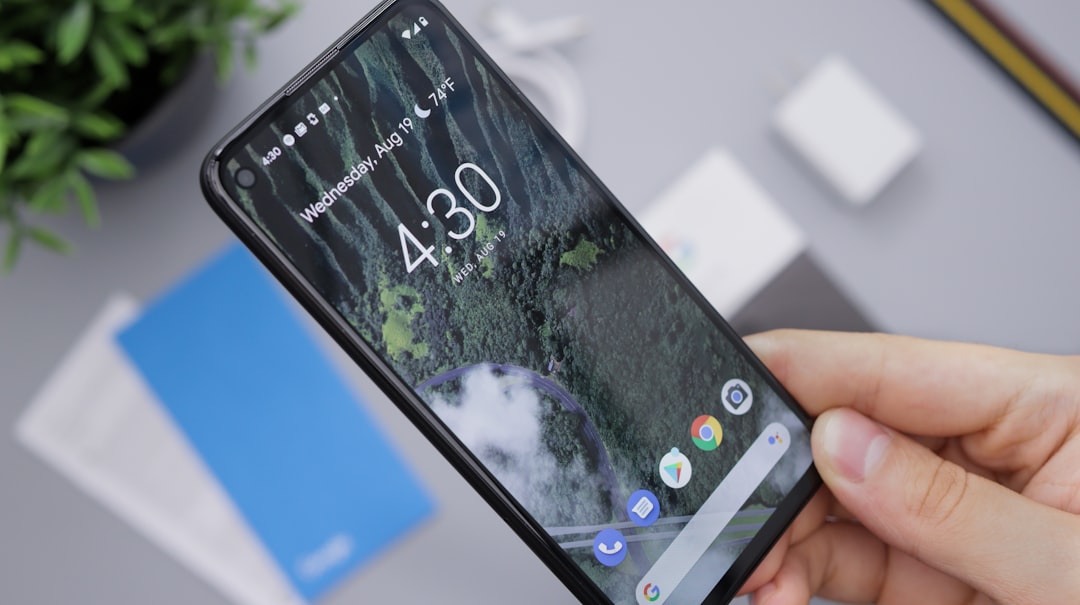
Unwanted text messages, commonly referred to as spam texts, can be a persistent and frustrating issue for consumers across Nebraska. While these unsolicited communications may seem like an insignificant nuisance, they come with significant implications regarding consumer privacy and rights. Understanding your legal protections is crucial when facing deluges of spam texts, especially considering the potential for identity theft or fraudulent activities. A spam texts attorney in Nebraska can offer invaluable guidance tailored to state laws.
In Nebraska, the right to privacy extends to electronic communications, including text messages. The state’s anti-spam legislation, often referred to as the Telephone Consumer Protection Act (TCPA), grants consumers powerful tools to combat unwanted messaging. This law prohibits businesses and individuals from sending spam texts without prior express consent. A ‘do not call’ list registered with the Nebraska Public Service Commission further reinforces this right. If a consumer has explicitly opted-out of receiving text messages, any subsequent unsolicited messages can be considered a violation.
When dealing with spam texts, the first course of action is to document and record all instances. Save the messages, note the sender’s details, and maintain a log of dates and times. This evidence can prove invaluable if legal action becomes necessary. Additionally, blocking the sender immediately is advisable, as it demonstrates a clear intent to stop further communication. Engaging with spammers by replying or interacting may inadvertently validate your number as active, leading to more spam. A spam texts attorney in Nebraska can assist in navigating these steps and help consumers exercise their legal remedies, which include seeking damages for each violation.
How to Combat Spam: Legal Actions & Protections

In Nebraska, consumers have robust rights when it comes to combating spam texts. The first step for individuals facing relentless spam text campaigns is to understand their legal protections. According to the Telephone Consumer Protection Act (TCPA), it’s illegal for businesses to send automated or prerecorded messages to mobile phones without prior express consent. This law grants consumers the right to demand that their phone numbers be removed from a company’s call or text list. If your number has been added without your permission, you can take action by contacting a spam texts attorney in Nebraska who specializes in TCPA litigation.
Legal actions against spammers can involve filing a complaint with the Federal Trade Commission (FTC) or suing the offending party in state court. The FTC offers a simple online complaint form for unwanted text messages, and its penalties for violators can reach up to $500 per violation. In Nebraska, consumers have also successfully pursued legal action against spammers through class-action lawsuits, which can result in substantial monetary damages and changes to company practices. When pursuing these remedies, it’s crucial to maintain records of all interactions with the spammer, including date, time, and content of messages.
In addition to legal avenues, there are practical steps consumers can take to minimize exposure to spam texts. One effective method is to register your number on the National Do Not Call Registry. This federal list prohibits telemarketers from calling or sending texts to numbers listed on it. Moreover, utilizing spam-blocking apps and features offered by mobile carriers can significantly reduce the volume of unwanted messages received. By combining legal action against persistent spammers with these preventative measures, Nebraska consumers can reclaim control over their communication channels and enjoy a quieter digital environment.
Who's Protected? Consumer Categories in NE

In Nebraska, consumer rights regarding spam texts are protected by state laws designed to safeguard individuals from unsolicited and unwanted communication. The primary piece of legislation governing this area is the Nebraska Consumer Protection Act (NCPA). This law applies to a wide range of businesses and organizations, including those engaging in the sending of spam texts. Notably, it covers both residential and commercial consumers, ensuring that individuals from all walks of life are protected against intrusive and deceptive marketing practices.
The NCPA categorizes consumers into several groups based on their specific circumstances. For instance, tenants and homeowners are afforded particular protections against unwanted communication, including spam texts. Additionally, individuals who have not given explicit consent to receive such messages are generally entitled to legal recourse. Moreover, the act specifically addresses electronic messaging, making it clear that businesses must obtain prior permission before sending promotional or advertising texts to Nebraska residents.
A key aspect of consumer protection in this context is the ability to opt-out. Consumers in Nebraska have the right to refuse further communication from marketers at any time. This includes a clear and simple opt-out mechanism, often as simple as replying “STOP” to a spam text. A reputable spam texts attorney in Nebraska can advise consumers on their rights and help them navigate legal options if their rights are violated, ensuring that they understand the available courses of action to protect themselves.
Consulting a Spam Texts Attorney: Steps & Expectations
When faced with persistent or unwanted spam texts, many Nebraskans turn to legal recourse. Consulting a Spam Texts Attorney Nebraska can be a strategic move to protect your rights and stop unsolicited communication. The first step involves identifying the nature of the spam—whether it’s marketing, scam attempts, or harassing messages. Once confirmed, victims should document all interactions, saving text logs and keeping records of calls. These steps are crucial as they provide evidence for legal proceedings.
Next, individuals should research and select an experienced Spam Texts Attorney Nebraska. Look for specialists who have a proven track record in handling similar cases. During the initial consultation, explain your situation thoroughly, providing all relevant details. An expert attorney will assess the case, discuss possible legal options, and outline expected outcomes. They may suggest filing a formal complaint with the Federal Trade Commission (FTC) or taking civil action against the spammers.
The Spam Texts Attorney Nebraska will guide you through the legal process, which may include filing lawsuits, seeking injunctions to stop the spam, or negotiating settlements. They will also educate you on Do-Not-Call registries and other tools designed to curb unwanted communications. Throughout this journey, maintain open communication with your attorney to ensure your rights are protected. Remember, each case is unique, so personalized advice and aggressive representation are key to achieving a favorable outcome.
About the Author
Meet Dr. Emily Parker, a renowned legal expert specializing in consumer rights and technology law. With a J.D. from Harvard Law School and an LL.M. in Intellectual Property, Emily has dedicated her career to protecting consumers’ digital rights, particularly regarding spam texts. She is a sought-after speaker at industry conferences and a contributing author to the Nebraska Bar Journal. Her expertise extends to advocacy through LinkedIn, where she shares insights on the latest legal developments, making complex issues accessible to a broad audience.
Related Resources
Here are 7 authoritative resources for an article about consumer rights for spam texts in Nebraska:
- Nebraska Attorney General’s Office (Government Portal): [Offers legal guidance and protects consumers’ rights within the state.] – https://www.nebraskagov.org/attorney-general
- Federal Trade Commission (FTC) (Government Agency): [Enforces federal laws protecting consumers from unfair, deceptive, or fraudulent practices, including spam.] – https://www.consumer.ftc.gov/
- Better Business Bureau (BBB) (Industry Leader): [Promotes ethical business practices and provides resources for consumers to file complaints against companies engaging in spamming.] – https://www.bbb.org/
- University of Nebraska-Lincoln Extension (Academic Extension Service): [Provides educational resources and advice on consumer protection, including texting-related issues.] – https://ext.unl.edu/
- Nebraska Legal Services (NLS) (Legal Aid Organization): [Offers free legal assistance to low-income Nebraskans, helping them understand and assert their consumer rights.] – https://www.nebraskalegalservices.org/
- Consumer Reports (Non-profit Consumer Advocacy Group): [Publishes research and reports on consumer issues, including mobile phone spam.] – https://www.consumerreports.org/
- Nebraska Department of Revenue (Government Agency): [Handles tax-related matters and may provide insights into how to report or deal with unwanted text messages from a tax perspective.] – https://dor.nebraska.gov/