
Spam texts are a growing concern for Nebraska residents, with state laws offering robust protection. The Unfair or Deceptive Acts and Practices (UDAP) statute and Telephone Solicitation Act regulate unsolicited text messages. Consumers can combat spam by reporting suspicious messages, contacting a spam texts lawyer Nebraska for legal advice, registering on the National Do Not Call Registry, or seeking professional help for severe cases. These measures empower users to protect their privacy and enforce their rights under Nebraska law.
In today's digital landscape, the prevalence of spam texts has become a significant concern for residents of Nebraska and across the nation. These unwanted messages not only disrupt daily life but also pose potential risks to personal information security. As technology advances, so do the tactics employed by spammers, making it increasingly challenging for individuals to protect themselves. This article delves into Nebraska's laws pertaining to spam texts, providing a comprehensive guide for citizens seeking to safeguard their privacy and understand their rights. By exploring these legal protections, we empower ourselves to combat this modern-day nuisance effectively, with the guidance of experienced Nebraska lawyers specializing in this area.
Understanding Spam Texts and Nebraska Law

Spam texts have become an increasingly pervasive issue for Nebraska residents, with countless unwanted messages bombarding mobile devices daily. These unsolicited text messages often promote products, services, or even phishing attempts, posing a significant nuisance and potential risk to privacy. Understanding the legal framework surrounding spam texts is crucial in protecting oneself from these intrusive messages. Nebraska laws, specifically those governing telecommunications and consumer protection, offer a robust framework to combat this growing problem.
Under Nebraska law, businesses and individuals engaging in mass text messaging must comply with certain regulations designed to safeguard consumers. The state's Unfair or Deceptive Acts and Practices (UDAP) statute prohibits the use of deceptive or misleading practices in commercial transactions, including unsolicited text messages. Furthermore, Nebraska's Telephone Solicitation Act provides additional safeguards, allowing residents to opt-out of receiving telemarketing texts. This legislation empowers Nebraskans to take control of their communication preferences and significantly reduces the volume of spam texts they receive.
A key aspect of combating spam texts involves recognizing legitimate messages from fraudulent ones. Nebraska consumers should be vigilant in identifying suspicious patterns, such as unknown senders or messages containing urgent calls to action. If a resident receives an unwanted text, they can report it to the Nebraska Attorney General's Office, which actively monitors and investigates instances of telemarketing fraud. By staying informed and employing these protective measures, Nebraskans can better navigate the digital landscape while safeguarding their personal information from spam texts. Engaging the services of a spam texts lawyer Nebraska can also provide specialized guidance tailored to state laws, ensuring residents' rights are protected in the ever-evolving domain of digital communication.
Your Rights: Protecting Against Unwanted Messages
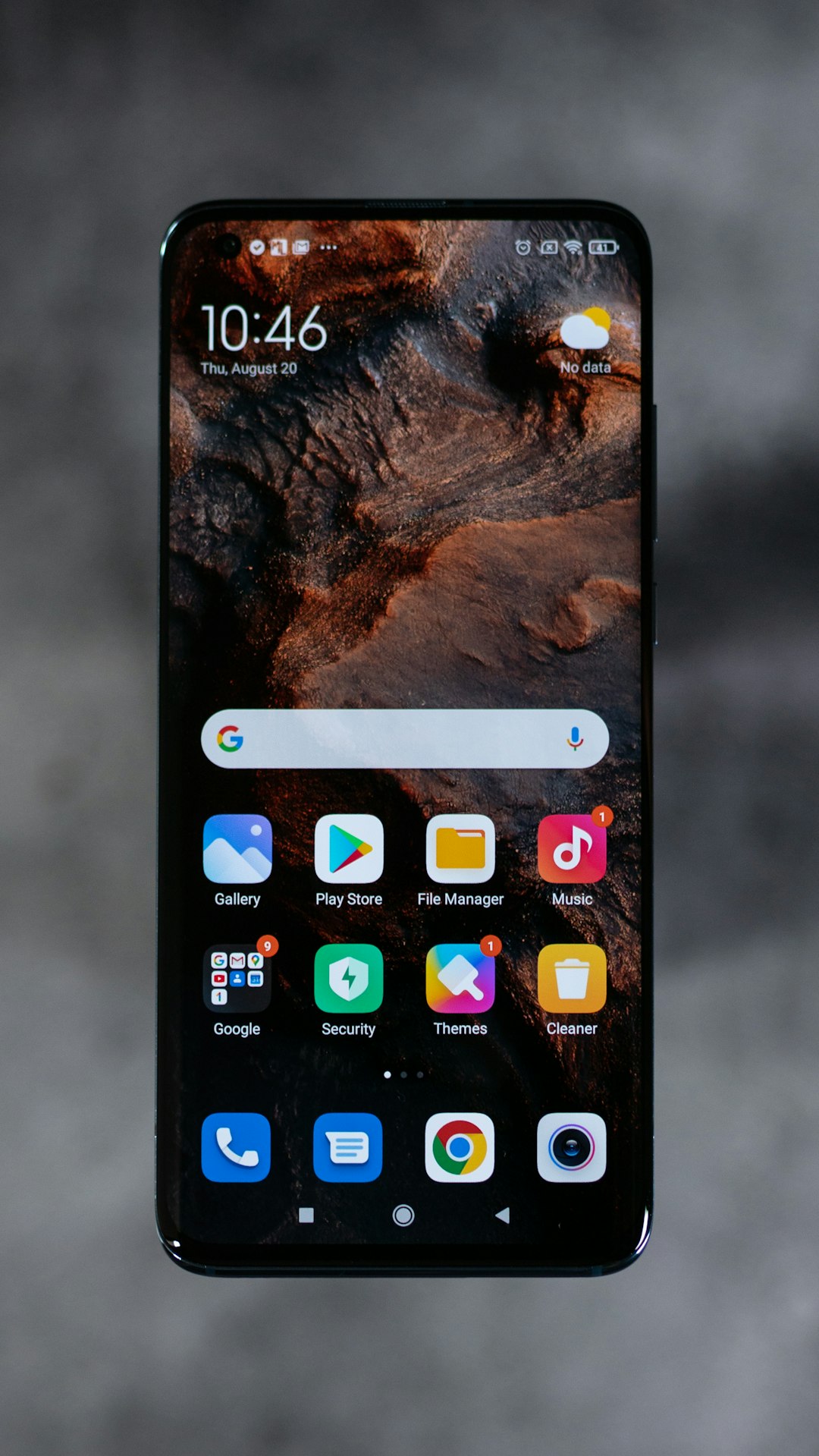
In Nebraska, your rights against unwanted electronic messages, including spam texts, are protected by state law. According to Nebraska Revised Statute 84-1410, it is illegal for any person or entity to send an unsolicited text message to a consumer's mobile phone without their prior express consent. This legislation empowers individuals to take action against intrusive spam texts and provides a clear framework for what constitutes acceptable communication practices.
If you've received unsolicited text messages promoting products or services, you have several options. The first step is to document the messages by saving them, including any information about the sender and the content of the message. Contacting a spam texts lawyer Nebraska can provide specialized guidance on how to proceed. Legal experts in this field can advise you on whether the messages violate state laws and assist in sending a cease and desist letter to the sender. This process often proves effective in halting further unwanted communication.
Additionally, consumers have the right to register their mobile numbers with the National Do Not Call Registry. While primarily designed for telemarketing calls, this registry also helps filter out spam texts. By registering, you can limit the influx of unsolicited messages and better control your privacy. It's a simple yet powerful step towards protecting yourself from constant spam texts.
For those facing persistent or severe cases of spam texts, consulting with a legal professional is advisable. A spam texts lawyer Nebraska can offer tailored strategies, especially in situations involving harassment or deceptive marketing tactics. They can help you navigate the legal system and seek appropriate remedies to ensure your rights are respected and maintained.
Legal Action: How a Lawyer in Nebraska Can Help

In Nebraska, dealing with spam texts is not merely a nuisance but can escalate into a legal matter. If you've been overwhelmed by unsolicited text messages promoting products or services, you're not alone. Spam texts have become a pervasive issue, and while there are tools to filter them, legal action remains an essential component of combating this problem. This is where a spam texts lawyer in Nebraska plays a crucial role.
A qualified attorney specializing in this area can offer several avenues for redress. One common approach involves sending cease-and-desist letters, which effectively communicate the recipient's desire to stop receiving these messages. These letters are often tailored to specific laws, such as the Telephone Consumer Protection Act (TCPA), that regulate telemarketing practices and protect consumers from unwanted text communications. For instance, a Nebraska spam texts lawyer may argue that a business has violated the TCPA by failing to obtain prior consent before sending promotional texts, entitling the recipient to damages under federal law.
Moreover, a spam texts lawyer in Nebraska can guide clients through the process of suing violators for monetary compensation and injunctive relief. This includes not only recovering costs associated with unsolicited texts but also preventing future infringements. Data from consumer protection agencies reveals that successful legal actions against spammers can have significant impacts, both financially and as a deterrent to other potential violators. For example, in 2022, a Nebraska court awarded $1 million in damages to consumers who sued a major telecom company for failing to stop spam texts despite repeated requests. This substantial judgment served as a stark reminder of the consequences businesses can face when engaging in such practices.
In addition to legal representation, these lawyers often provide expert advice on blocking and preventing spam texts in the future. They stay abreast of evolving laws and technologies, ensuring their clients are equipped with the knowledge needed to protect themselves from unwanted messaging. By combining legal muscle with practical insights, a spam texts lawyer in Nebraska empowers individuals and businesses to reclaim control over their communication channels, fostering a safer and less intrusive digital environment.