
Nebraska's strict Spam Call laws protect residents from unwanted text messages. A Spam Call law firm in Nebraska explains what constitutes spam and emphasizes the importance of consumer consent and opt-out options for businesses. Understanding these laws is crucial for both individuals' privacy rights and companies' compliance, with legal recourse available through specialized firms to assert and defend these rights.
"Navigating Nebraska's Spam Text Laws: A Comprehensive Guide for Business and Individuals. With the rise of digital communication, understanding spam call laws is paramount, especially in Nebraska. This article delves into the state's regulations, defining unwanted text messages and outlining legal protections against violations. We explore practical strategies for businesses and law firms to ensure compliance, offering peace of mind in an increasingly digital world. Understanding these laws is a crucial step towards fostering a harmonious relationship between technology and consumer rights."
Understanding Nebraska's Spam Text Laws

In Nebraska, the spam text laws are designed to protect residents from unsolicited and unwanted text messages, commonly known as spam calls. These laws are part of a broader effort to ensure that citizens' privacy is respected in the digital age. The primary regulator is the Nebraska Revised Statutes, which outlines specific guidelines for businesses and individuals sending text messages for marketing or other purposes.
Key provisions include obtaining explicit consent before sending text messages, providing an opt-out mechanism, and adhering to restrictions on certain types of content. Violations can lead to legal repercussions, including fines. A Nebraska attorney specializing in spam call laws can offer crucial guidance on navigating these regulations, ensuring compliance, and protecting one's rights as a consumer.
What Constitutes Unwanted Text Messages?
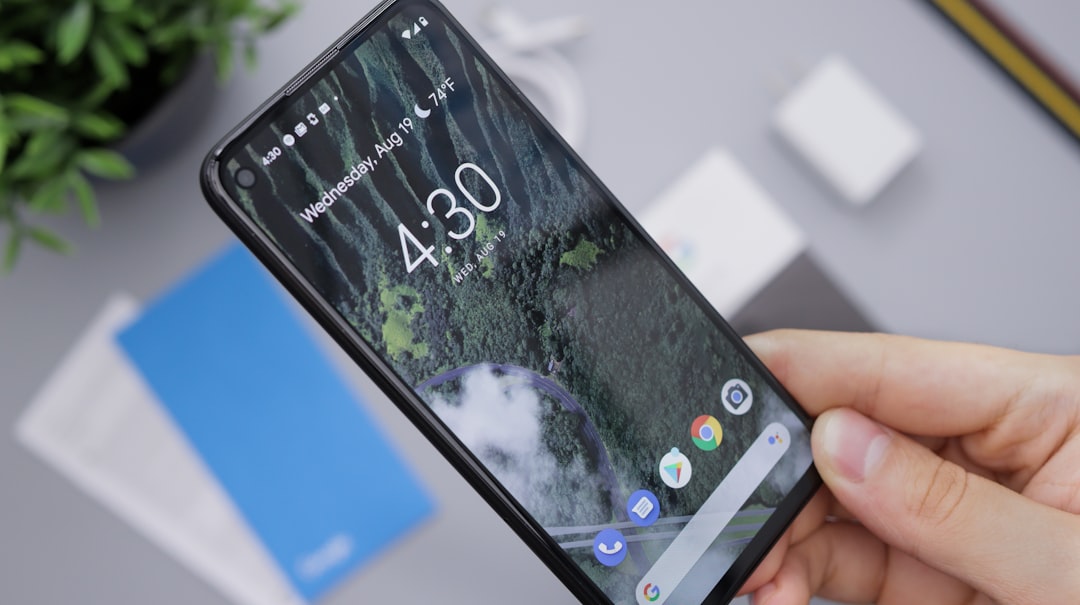
Unwanted text messages, often referred to as spam texts, are a common nuisance in today's digital age. In the context of Nebraska's spam call laws, these messages can include marketing or promotional content sent without prior consent from the recipient. This definition extends to any non-consensual text communication that violates the privacy rights of individuals, including personal and business contacts.
The Spam Call law firm in Nebraska defines several scenarios as unwanted text messages: unsolicited advertisements, sales promotions, or any form of marketing material sent en masse; messages from unknown senders who have not obtained explicit permission for such communications; and texts containing links to suspicious websites or promoting dubious products or services. Understanding what constitutes spam is crucial, as it helps individuals protect their rights and enables businesses to stay compliant with Nebraska's stringent anti-spam legislation.
Legal Recourse for Violations

If you've received spam text messages from a Nebraska-based attorney or any other entity, you're not alone. Despite advancements in technology aimed at curbing such unsolicited communications, the practice persists. When your privacy is invaded by persistent or malicious spam calls, understanding your rights under Nebraska's spam call law is crucial.
Legal recourse is available to individuals who have suffered violations of these laws. Nebraska's anti-spam legislation empowers recipients to take action against perpetrators. Contacting a reputable Spam Call law firm Nebraska is an essential step towards asserting your rights and holding offenders accountable. These legal professionals specialize in navigating the complexities of spam call regulations, providing guidance tailored to your situation and helping ensure justice for your privacy intrusions.
Best Practices for Businesses & Law Firms

To comply with Nebraska's spam call laws, businesses and law firms must adopt best practices that respect consumer privacy and preferences. Firstly, ensure explicit consent before initiating any text communications. This includes obtaining opt-in agreements from clients or customers, clearly stating the nature of the messages they are subscribing to, and providing an easy, straightforward way to unsubscribe. Regularly update contact lists to remove individuals who have opted out, preventing unwanted texts to inactive numbers.
Additionally, personalizing content can enhance engagement while adhering to legal standards. Tailor messages to individual recipients whenever possible, using their names or referencing prior interactions. Transparency is key; clearly identify the sender as a law firm or business entity in the text message header or body. Implement robust internal procedures to ensure compliance, including training staff on anti-spam regulations and maintaining detailed records of consent forms and opt-out requests. Regularly review and update policies to stay current with any changes in Nebraska's spam call laws.